Environmental Stability for Translational Biomedical Research at NOVA Medical School
Introduction
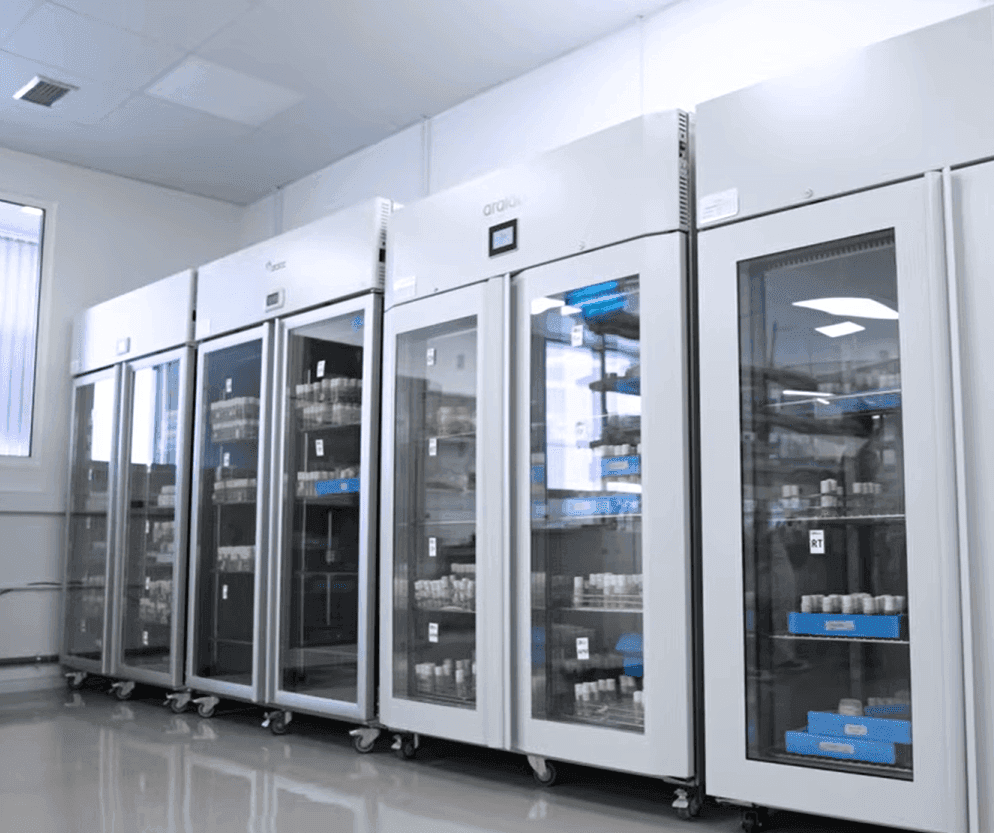
StabilClima 600 Reach-in from Aralab
This case study supports the research activity of NMS Research, the research pillar of NOVA Medical School, a leading academic medical institution dedicated to translational biomedical research. NMS Research bridges laboratory science, clinical practice and population health, with research lines covering areas such as vaccines, biomarkers, health literacy and chronic diseases.
Within this highly demanding research environment, controlled and stable climatic conditions are essential to ensure the validity and reproducibility of experimental models. For over a decade, Aralab stability chambers have been a key infrastructure supporting daily research activities across multiple biomedical research groups.
Overview
A critical infrastructure for reproducible biomedical research
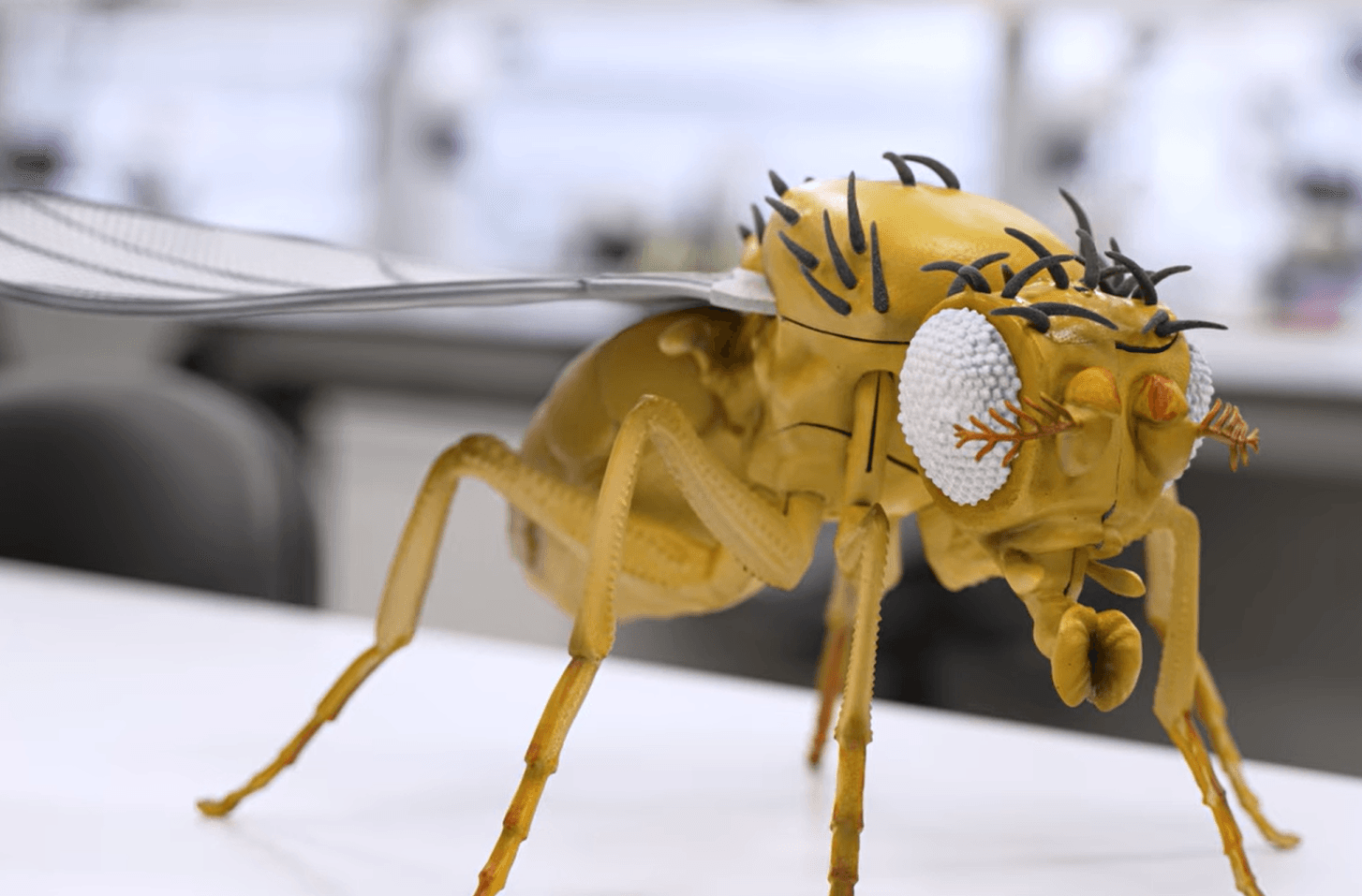
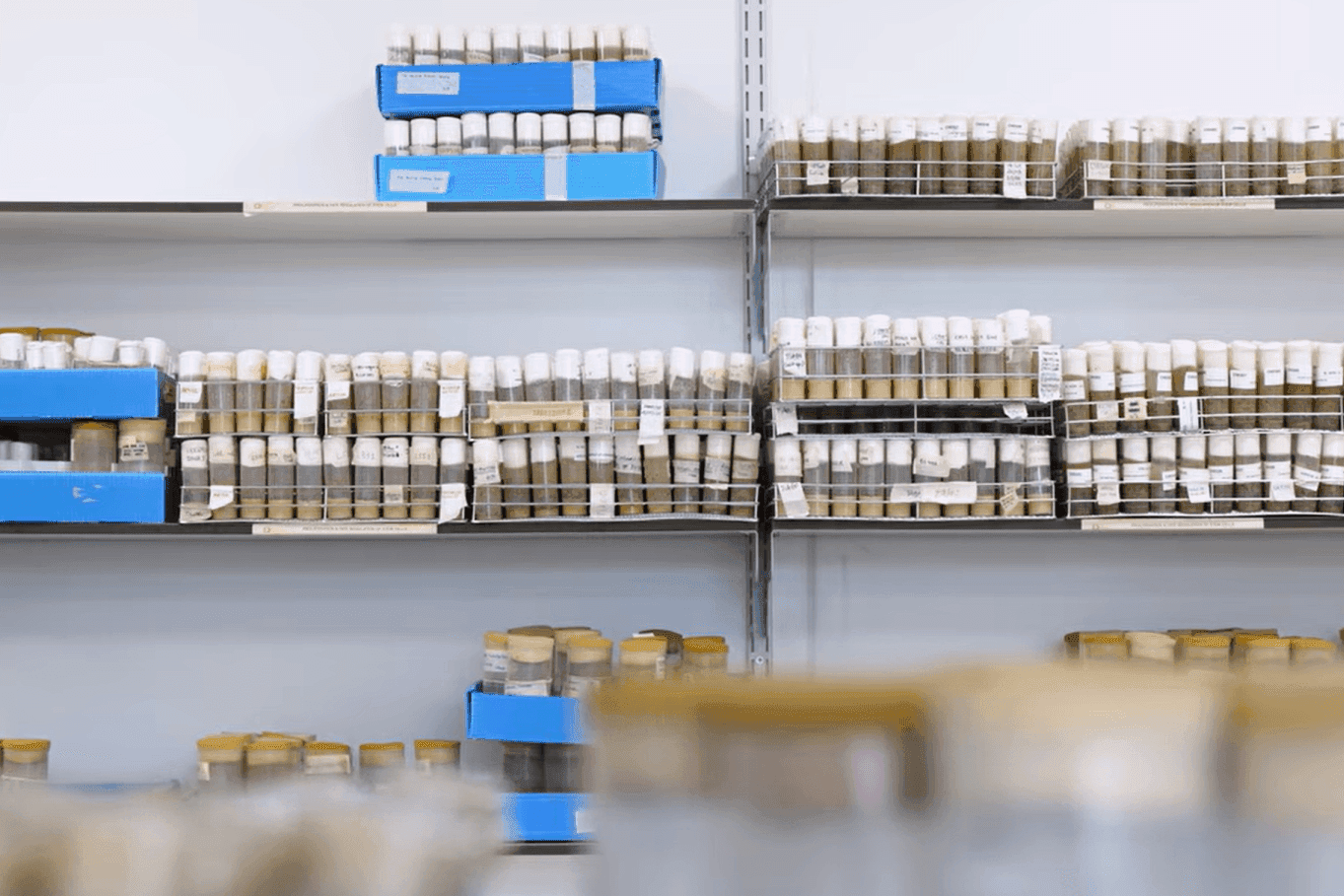
At NOVA Medical School, the Aralab Stability Chambers are primarily used in the Fly Facility, where Drosophila melanogaster serves as the main experimental model organism. This model is widely recognised for its relevance in studying fundamental biological processes linked to human health and disease. Research conducted using these chambers focuses on areas such as neuronal development and plasticity, metabolism, ageing and tumour biology. As the lifecycle and behaviour of Drosophila are highly temperature-dependent, precise control of temperature and humidity is critical to ensure consistent experimental conditions and meaningful comparisons between studies.
15+ years
Long-Term Reliability in Research Environments
6 Chambers
Parallel Stability Testing
T & RH
High Environmental Precision
Results
The Aralab StabilClima chambers provide NMS Research teams with stable, homogeneous and repeatable environmental conditions, which are fundamental for high-quality biomedical research. This level of control ensures that experimental variability is driven by biological and genetic factors rather than uncontrolled environmental fluctuations. As a result, researchers at NOVA Medical School have generated robust and reproducible data in areas such as neuronal development, synaptic plasticity and metabolic mechanisms, with outcomes published in international peer-reviewed journals in developmental biology and neuroscience.
100% control
controlled environmental conditions
4
active research groups
3
key temperature setpoints (18 °C, 25 °C, 29 °C)
Related products