What Are Stability Chambers? Exploring Their Role and Importance
Stability chambers are essential tools in scientific research and industry, providing controlled environments to test the stability and shelf life of products under various environmental conditions. This article explores what stability chambers are, their key features, applications, and the technological advancements that are shaping their future.
Definition of Stability Chambers
What Are Stability Chambers?
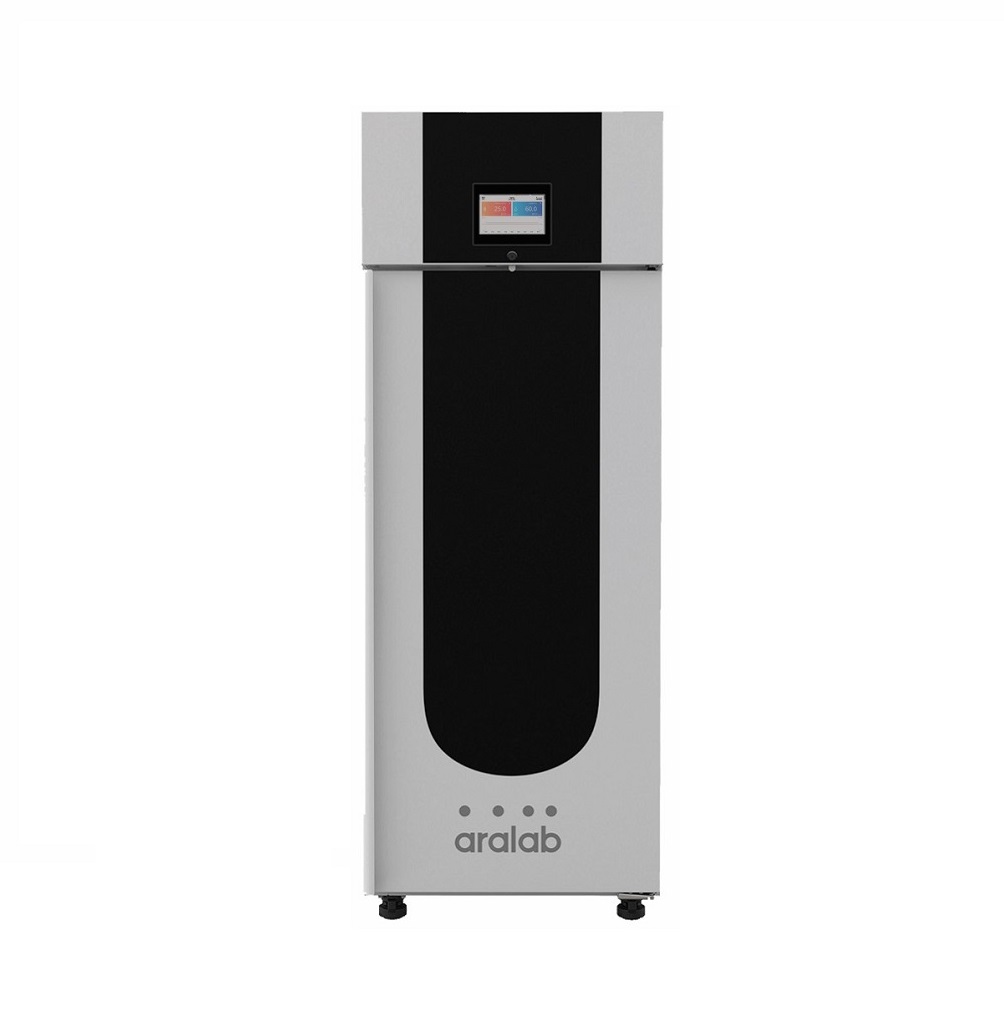
Stability chambers, also known as environmental chambers, are specialized enclosures designed to maintain consistent temperature, humidity, and light conditions for extended periods. These chambers are used to study the stability and shelf life of products, ensuring they meet regulatory standards and perform reliably over time.
Importance of Stability Chambers in Research and Industry
Stability chambers are crucial in various industries, including pharmaceuticals, food and beverage, cosmetics, and materials science. They provide the means to replicate and monitor environmental conditions, allowing researchers to assess how products react to different variables over time. This controlled environment is essential for ensuring product quality and compliance with regulatory standards.
Key Features of Stability Chambers
Temperature Control
One of the primary features of stability chambers is precise temperature control. These chambers can maintain specific temperature ranges, ensuring that products are tested under consistent conditions. This feature is vital for studying how temperature fluctuations impact product stability.
Humidity Regulation
Humidity control is another critical feature. Stability chambers can maintain specific humidity levels to create the desired conditions for testing. This regulation is essential for understanding how moisture affects product stability and shelf life.
Light Stability
Some stability chambers are equipped with lighting systems to simulate various light conditions. This feature is crucial for testing products that are sensitive to light, such as pharmaceuticals and cosmetics. It helps determine how light Visible Light and UV light exposure affects product quality and efficacy.
Airflow and Ventilation
Proper airflow and ventilation are essential for maintaining uniform environmental conditions within the chamber. Stability chambers are designed with efficient airflow systems to ensure consistent temperature and humidity levels, preventing hotspots and ensuring reliable test results.
Variety of Sizes
Stability chambers come in a variety of sizes to suit different research and industrial needs. They range from reach-in sizes, which are compact and ideal for smaller experiments, to walk-in sizes, also known as Controlled Environment Storage rooms, which are suitable for larger-scale studies and can accommodate more extensive product samples. This versatility allows researchers and manufacturers to select a chamber size that best fits their specific requirements and space constraints.
Types of Stability Chambers
Reach-In Stability Chambers
Reach-in stability chambers are compact units ideal for smaller-scale testing. These chambers are typically used in laboratories where space is limited but precise environmental control is required. They offer flexibility and are suitable for testing smaller batches of products.
Walk-In Stability Chambers
Walk-in stability chambers, also known as Controlled Environment Rooms, are larger units designed for high-volume testing. These chambers can accommodate more extensive product samples and are often used in industrial settings where large-scale stability testing is necessary.
Customized Stability Chambers
For specific testing requirements, customized stability chambers are available. These chambers can be tailored to meet unique environmental conditions, size specifications, and other specialized features. Customization ensures that the chamber precisely fits the needs of the research or industrial application.
Applications of Stability Chambers
Pharmaceutical Testing
In the pharmaceutical industry, stability chambers are used to test the shelf life and efficacy of drugs. These tests are essential for ensuring that medications remain effective and safe throughout their intended shelf life. Stability testing is a critical component of regulatory compliance for pharmaceutical products.
Food and Beverage Industry
Stability chambers are also used in the food and beverage industry to test the shelf life of products. By simulating various environmental conditions, researchers can determine how different factors affect the quality and safety of food and beverages over time. This information is crucial for developing packaging and storage solutions.
Cosmetics
The cosmetics industry relies on stability chambers to test the longevity and stability of products such as creams, lotions, and makeup. These tests help ensure that cosmetic products maintain their quality, appearance, and efficacy throughout their shelf life.
Packaging and Materials Testing
Stability chambers are used to test the durability and performance of packaging materials under different environmental conditions. This testing helps manufacturers develop packaging that protects products from environmental stressors, ensuring product integrity and safety.
ICH Q1A and Q1B Guidelines
The International Council for Harmonization (ICH) has established guidelines for stability testing of pharmaceuticals. ICH Q1A provides guidance on stability testing for new drug substances and products, detailing the type, frequency, and duration of tests required. ICH Q1B focuses on photostability testing, which assesses the impact of light exposure on drug substances and products. Adhering to these guidelines is essential for regulatory compliance and ensuring the quality and safety of pharmaceutical products.
Photostability Testing
Photostability testing is a critical aspect of stability testing, especially for products sensitive to light. This testing involves exposing samples to light conditions specified in ICH Q1B to determine how light affects their stability. The results help in understanding the degradation mechanisms and in developing appropriate packaging solutions to protect light-sensitive products.
Types of Stability Tests
Long-term stability testing is conducted to evaluate the shelf life of a product under recommended storage conditions. Typical conditions for long-term testing include 25°C ± 2°C and 60% RH ± 5% RH. These tests are usually conducted over a period of 12 to 60 months to ensure the product remains stable throughout its intended shelf life.
Accelerated stability testing is performed to predict the long-term stability of a product in a shorter time frame by exposing it to elevated stress conditions. Typical conditions for accelerated testing include 40°C ± 2°C and 75% RH ± 5% RH. These tests help identify potential stability issues early in the development process, allowing for timely adjustments to formulations or packaging.
Intermediate stability testing is conducted under conditions that fall between long-term and accelerated testing. Typical conditions for intermediate testing include 30°C ± 2°C and 65% RH ± 5% RH. This testing is used when a significant change is observed during accelerated testing, to further investigate the stability of the product.
Advantages of Using Stability Chambers
Compliance with Regulatory Standards
Stability chambers help ensure that products meet regulatory standards for quality and safety. By providing a controlled environment for testing, these chambers enable manufacturers to conduct thorough and accurate stability studies required for regulatory approval.
Enhanced Product Quality
Using stability chambers allows researchers to identify potential stability issues early in the development process. This proactive approach leads to the production of higher-quality products that are more likely to perform well in the market.
Accelerated Testing Processes
Stability chambers can simulate long-term storage conditions in a shorter time frame, accelerating the testing process. This capability allows manufacturers to bring products to market more quickly while still ensuring they meet necessary quality standards.
Conclusion
Stability chambers are indispensable tools in scientific research and industry, providing controlled environments for testing the stability and shelf life of products. By understanding their key features, applications, and advancements, researchers can select the right stability chambers to enhance their work and achieve reliable results. Adhering to ICH guidelines and conducting thorough stability and photostability testing ensures the quality, safety, and efficacy of products across various industries.
Related Products

Reach-in stability chambers

Walk-in stability chambers