Studying Thermal Plasticity and Environmental Adaptation in Insects under Climate Change
Introduction
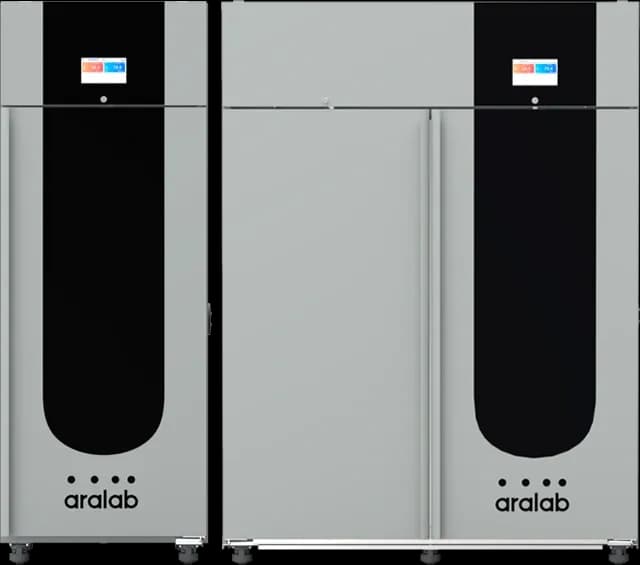
FitoClima 5.000 | Walk in Climatic Chamber from Aralab
This case study focuses on the research developed at cE3c – the Centre for Ecology, Evolution and Environmental Changes, part of the Faculty of Sciences of the University of Lisbon. This research group is internationally recognised for its work in animal biology, evolutionary biology and ecological adaptation.
Aralab walk in climatic chambers play a key role in this research infrastructure, providing carefully controlled environmental conditions for the growth of butterfly populations and, partially, Drosophila. These systems are essential to study how environmental factors influence biological development and phenotypic diversity.
Overview
Controlled Environments for Sensitive Live Models
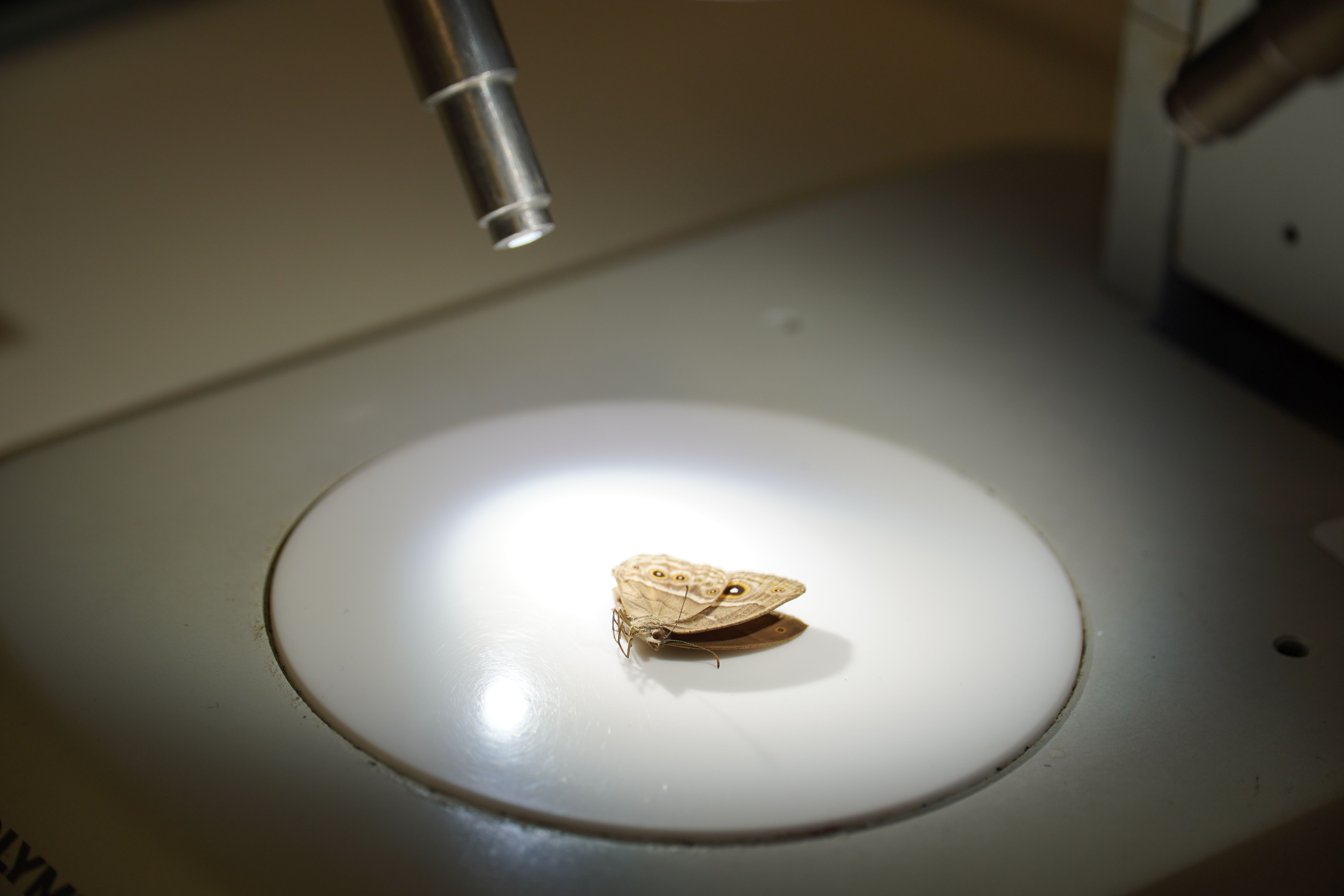
The main scientific objective of this research is to understand thermal plasticity — how temperature affects organismal traits and population-level variation — and how this plasticity contributes to adaptation in changing environments. This question is central to understanding the biological consequences of global climate change. Butterflies are the primary experimental model used, due to their ecological relevance as pollinators and bioindicators of ecosystem health. In addition to their scientific value, butterflies are also powerful symbols of biodiversity and environmental vulnerability, making them ideal models to bridge fundamental research and public awareness of climate-driven ecological challenges.

5,000 litres
with volumes ranging from 5m³ to 25m³
5 a 45ºc
with light on
40 a 80% Hr
with lights on
Results
Aralab climatic chambers allow the cE3c research teams to conduct rigorous and reproducible experiments on the effects of temperature on insect development, morphology and adaptation. The stability of environmental conditions ensures that observed differences arise from biological processes rather than uncontrolled external variability. The research contributes to a deeper understanding of how organisms respond to rising temperatures, helping to explain phenomena such as the dramatic decline in insect populations and the cascading effects this decline may have on biodiversity, ecosystems and human societies.

2 Chambers
Walk in chambers enabling stable growth and maintenance of insect populations.
+/- 1ºc
of uniformity
Related products
Similar Chambers
Find the right chamber for research, testing or innovation.